


Ballet: Teaching Responsibility Through Ballet Routines
Ballet is more than graceful movements and beautiful performances. Through structured practice and consistent expectations, Ballet routines help children develop responsibility, discipline, and accountability. At Inez Patricia School of Dance, we believe that Ballet training shapes not only strong dancers but also confident and dependable individuals.
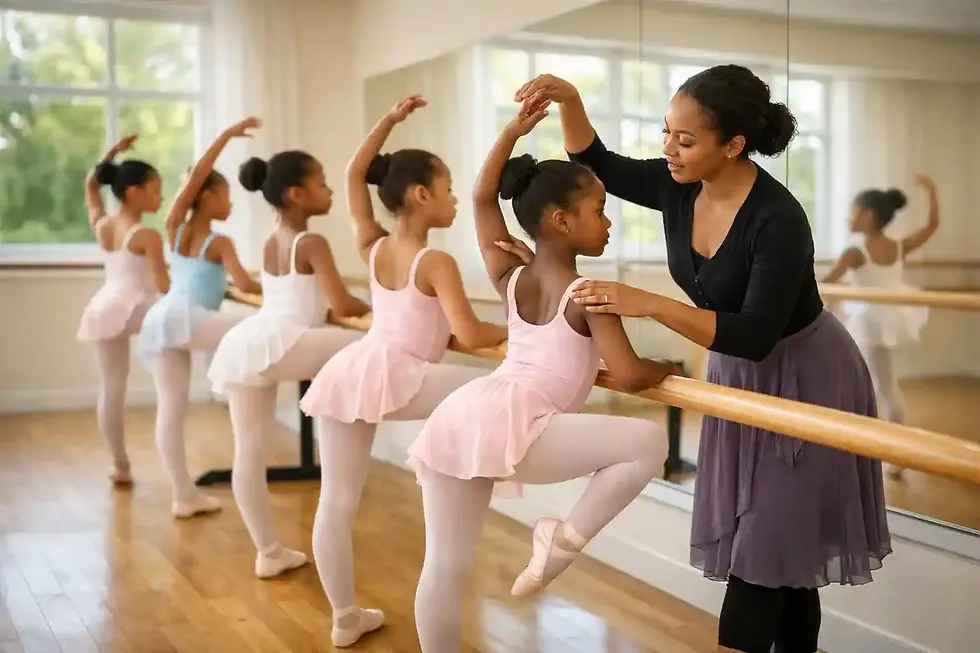
Why Ballet Routines Build Responsibility
Structured Ballet classes follow a clear sequence: warm-up, barre work, center practice, across-the-floor combinations, and reverence. Because each segment requires focus and preparation, students quickly learn that consistency matters.
When children attend class regularly, remember choreography, and prepare their dance attire, they naturally practice responsibility. As a result, they begin to understand that progress depends on commitment.
According to the article “Benefits of Dance for Kids” by HealthyChildren.org https://www.healthychildren.orgdance education supports discipline, coordination, and self-regulation in children. Ballet, in particular, reinforces these habits through repetition and structure.
Teaching Responsibility Through Ballet Routines in Daily Practice
1. Preparing for Class
Students are expected to arrive on time, dressed properly, and mentally ready. This simple expectation builds accountability. Over time, children take ownership of their preparation without reminders.
Parents can further support this growth by creating consistent routines at home. You can explore structured children’s Ballet programs at Inez Patricia School of Dance https://www.inezpatriciadance.com/
2. Following Structured Ballet Sequences
Each Ballet routine follows a specific order. Because the format remains consistent, students understand what comes next. Therefore, they become responsible for remembering combinations and corrections.
The repetition strengthens both memory and work ethic. Mistakes are corrected immediately, and dancers learn to apply feedback with maturity.
3. Team Accountability in Group Ballet
Although Ballet often highlights individual technique, it strongly relies on teamwork. During rehearsals, students must count music accurately and maintain spacing. If one dancer forgets a step, the entire formation may be affected.
For example, in classical productions like Swan Lake by the Royal Ballet https://www.roh.org.uksynchronization and discipline are essential. Young students begin to understand that their effort contributes to a larger performance.
How Ballet Encourages Long-Term Responsibility
Building Time Management Skills
Balancing school, Ballet practice, and family time teaches children how to prioritize. As they grow, they learn to organize their schedules independently.
Developing Accountability for Progress
Improvement in Ballet does not happen overnight. Students must practice consistently. Consequently, they realize that success is earned through effort.
Learning Respect for Instructors and Peers
Respect is demonstrated through attentive listening, polite responses, and focused participation. These habits often extend beyond the dance studio and into academic settings.
Research from National Dance Education Organization (NDEO) https://www.ndeo.orghighlights how structured dance education improves discipline and personal responsibility in youth development.
The Role of Parents in Reinforcing Responsibility
Parents play a crucial role in Teaching Responsibility Through Ballet Routines. Encouragement, positive reinforcement, and consistent attendance help children build strong habits.
At Inez Patricia School of Dance, instructors work closely with families to create an environment where responsibility and artistry grow together.
Why Ballet Is a Powerful Tool for Character Development
Ballet demands precision, focus, and dedication. However, beyond technique, it teaches children to:
Take ownership of their commitments
Accept constructive feedback
Work toward long-term goals
Support peers during rehearsals
Show respect for shared spaces
These qualities remain valuable throughout life.


Comments