


Building Dance Precision: Horton Technique Modern Dance
Dance precision is more than executing choreography correctly. It is the ability to control alignment, timing, direction, balance, and energy with intention. For dancers developing these skills, Horton Technique Modern Dance offers a structured approach to building greater body awareness and movement control.
Developed by modern dance pioneer Lester Horton, the technique combines physical conditioning with carefully organized movement. Its emphasis on strength, flexibility, coordination, and full-body awareness can help dancers create movements that look clearer and more intentional.
At Inez Patricia School of Dance, students can explore modern dance training while developing the technical foundation needed for confident performance.
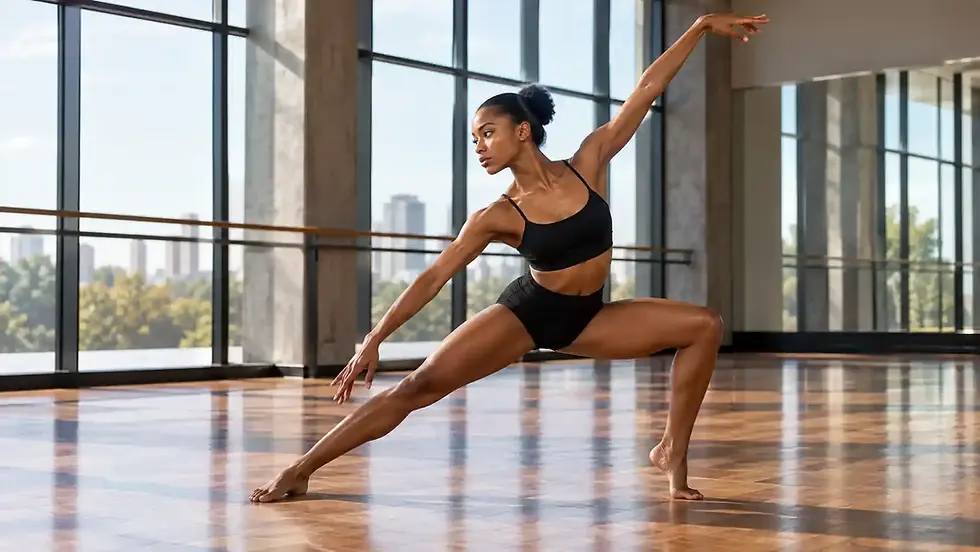
What Is Dance Precision?
Dance precision refers to how accurately a dancer performs movement while maintaining control of the body.
It includes several important elements:
Proper body alignment
Controlled transitions
Consistent timing
Clear movement pathways
Balanced weight distribution
Coordinated arms, legs, and torso
Awareness of space
Intentional use of energy
A dancer may have excellent flexibility or impressive strength, but precision allows those physical abilities to become purposeful movement.
With Horton Technique Modern Dance, dancers work on connecting these elements rather than treating them as separate skills.
How Horton Technique Modern Dance Develops Precision
Horton Technique was developed by Lester Horton through decades of teaching and choreographic exploration. His approach incorporated anatomical studies and multiple movement influences while emphasizing the development of the whole dancer.
Because the technique places strong attention on alignment and controlled movement, it can help dancers understand where their bodies are positioned during an exercise.
For example, a dancer performing a flat-back exercise must coordinate the torso, legs, hips, and arms while maintaining a deliberate relationship with the floor and surrounding space.
As a result, technical repetition becomes an opportunity to improve movement accuracy.
Alignment Creates a Stronger Foundation
Precision begins with alignment.
When the body is properly organized, dancers can move with greater efficiency. The head, spine, pelvis, legs, and feet need to work together rather than compete against one another.
Horton-based exercises challenge dancers to maintain organized positions while moving through different directions and levels.
This awareness can be especially valuable when choreography becomes faster or more complex.
Instead of simply trying to remember the next step, dancers can focus on how the entire body moves into and out of each position.
Strength Supports Controlled Movement
Precision also requires physical strength.
A dancer needs sufficient strength to stop movement, hold a position, change direction, and transition smoothly. Without adequate control, movements may appear rushed or unstable.
Horton Technique Modern Dance incorporates conditioning that challenges the dancer's entire body.
The technique's physical demands can help dancers develop the strength needed for:
Controlled extensions
Stable balances
Powerful jumps
Strong lines
Grounded movement
Smooth transitions
However, strength should support movement rather than create unnecessary tension. Dancers should aim for controlled energy and efficient execution.
Flexibility and Precision Work Together
Flexibility is useful, but greater range of motion does not automatically create better technique.
A dancer must be able to control the available range.
For example, extending a leg higher is only useful when the dancer can maintain alignment, balance, and intentional movement throughout the extension.
Horton training combines flexibility with strength and coordination, helping dancers approach larger movements with greater physical awareness.
This connection between mobility and control is an important part of developing precision.
Using the Core for Better Dance Control
The torso plays an important role in precise movement.
A stable center allows energy to transfer efficiently between the upper and lower body. It also helps dancers maintain balance during changes in direction and level.
During Horton Technique Modern Dance exercises, dancers can develop awareness of the torso while coordinating movement through the arms and legs.
A stronger center can contribute to:
Better balance
Improved posture
More controlled transitions
Greater stability
Cleaner extensions
Stronger movement initiation
The goal is not simply to make the abdominal muscles stronger. Instead, dancers learn to use the center as part of coordinated full-body movement.
Precision Requires Spatial Awareness
A precise dancer understands not only what the body is doing, but also where the body is moving.
Spatial awareness helps dancers maintain consistent pathways, directions, distances, and relationships with other performers.
Horton training can challenge dancers to work through different planes and directions. This encourages students to become more conscious of how movement occupies space.
Over time, that awareness can make choreography easier to organize and perform.
Musical Timing Improves Movement Clarity
Precision also exists in time.
A dancer can perform the correct movement but still appear unclear if the timing is inconsistent.
Musicality teaches dancers when to initiate movement, when to sustain it, and when to finish it.
During Horton Technique Modern Dance training, dancers can develop greater awareness of rhythm and phrasing while maintaining physical control.
This creates a stronger connection between technique and musical expression.
Repetition Builds Technical Consistency
Precision does not develop from one class.
It develops through consistent practice.
Repeating exercises gives dancers the opportunity to notice small differences in alignment, balance, timing, and coordination. Each repetition can become more intentional.
Rather than rushing through familiar exercises, dancers should use repetition to refine details.
Ask yourself:
Is my alignment consistent?
Am I controlling the transition?
Where does the movement begin?
Am I using unnecessary tension?
Is my timing accurate?
Can I finish the movement with the same control with which I started it?
These questions turn repetition into active technical training.
Building Dance Precision Through Horton Exercises
Several types of Horton exercises can support the development of precision.
Flat-Back Exercises
Flat-back work challenges dancers to organize the torso while maintaining control through the legs and pelvis.
The exercise can develop awareness of alignment and spatial direction.
Lateral Stretches
Lateral movements challenge the dancer to lengthen through the sides of the body while maintaining control.
They can also encourage greater awareness of the relationship between flexibility and alignment.
Fortification Exercises
Fortification exercises are associated with the conditioning aspect of Horton training. They challenge strength, coordination, and control.
Because dancers must maintain specific shapes while moving, these exercises can reinforce technical consistency.
Leg Swings and Extensions
Controlled leg movements challenge balance, flexibility, strength, and coordination.
The objective is not simply to achieve height. Instead, dancers should maintain control before, during, and after the movement.
Precision Can Improve Performance Quality
Technical precision can make choreography easier to understand visually.
When dancers execute movements with consistent timing and clear pathways, the audience can more easily recognize the intention behind the choreography.
Precision also provides dancers with a stronger foundation for expression.
Lester Horton's technique has had a lasting influence on American modern dance. His students and collaborators included artists such as Alvin Ailey and Carmen de Lavallade, while the technique continued through later generations of dance education.
Today, Horton-based training remains particularly visible through its connection to the legacy of Alvin Ailey and The Ailey School.
Developing Precision Without Losing Expression
Technical accuracy should not remove individuality from dance.
Instead, strong technique can give dancers more freedom to express themselves.
When alignment, balance, and coordination become more reliable, dancers can devote greater attention to musicality, emotion, dynamics, and storytelling.
That balance between discipline and expression is one reason modern dance training remains both technical and creative.
How to Practice Dance Precision
Dancers can incorporate a few simple habits into regular training:
Start slowly.Perform movements at a manageable speed before increasing tempo.
Focus on alignment.Check the position of the spine, pelvis, legs, and feet.
Control transitions.Do not focus only on the beginning and ending positions. The pathway between them matters too.
Use the whole body.Think about how the torso, arms, legs, and feet coordinate.
Practice both sides.Balanced training helps improve coordination and body awareness.
Repeat with intention.Every repetition should have a specific technical goal.
Horton Technique Modern Dance at Inez Patricia School of Dance
Developing precision takes patience, consistent practice, and knowledgeable instruction.
At Inez Patricia School of Dance, students can develop modern dance technique while working on strength, coordination, alignment, flexibility, and expressive movement.
Explore the Inez Patricia School of Dance website to learn more about dance training and opportunities to develop your technique.
For additional reading, dancers can also explore Alvin Ailey's resources on Lester Horton and the Horton Technique. The Library of Congress also preserves historical materials documenting the Lester Horton Dance Theater and its influence on modern dance education.
Final Thoughts
Building dance precision takes more than memorizing choreography. It requires awareness, strength, alignment, coordination, timing, and consistent practice.
Horton Technique Modern Dance provides dancers with a structured environment for developing these qualities. Through repeated exercises and careful attention to movement, dancers can learn to execute choreography with greater clarity and control.
Most importantly, precision should support artistic expression. When technique becomes stronger, dancers can move with greater confidence while allowing their individuality to remain visible.
For dancers who want to strengthen their technical foundation, Horton training offers a meaningful path toward more controlled, intentional, and expressive movement.


Comments