


Life Skills Children Gain from Early Ballet Training
Ballet is more than graceful movements and beautiful performances—it is a powerful foundation for lifelong skills. Early ballet training helps children develop discipline, confidence, and emotional intelligence that extend far beyond the studio. In this article, we explore the essential life skills children gain from early ballet training and how these benefits shape their future.
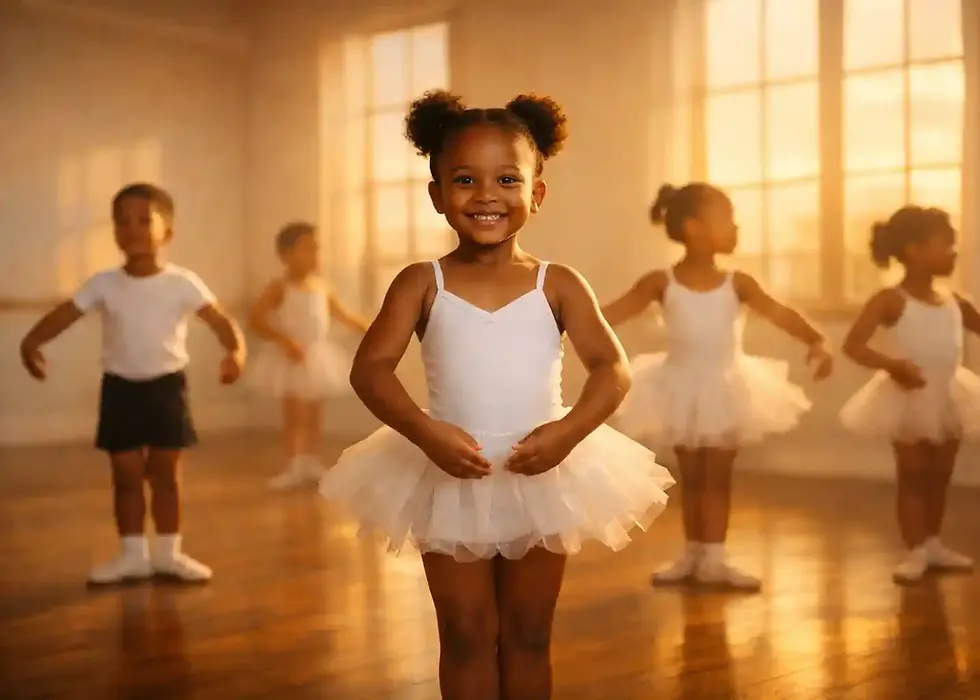
Why Life Skills from Early Ballet Training Matter for Child Development
Early ballet training introduces children to structured learning in a creative environment. At a young age, they absorb habits quickly, making ballet an ideal activity to instill positive behaviors.
Moreover, ballet blends physical activity with artistic expression. As a result, children begin to understand both discipline and creativity simultaneously.
Discipline and Focus Through Early Ballet Training
One of the most valuable life skills from early ballet training is discipline. Ballet requires consistent practice, attention to detail, and respect for instructions.
Children learn to:
Follow structured routines
Listen carefully to teachers
Practice patience while mastering movements
Because of this, their ability to focus improves not only in dance but also in school and daily activities.
Confidence Building in Young Dancers
Confidence grows naturally in ballet classes. As children learn new steps and perform in front of others, they begin to trust their abilities.
Additionally, performing on stage teaches them how to handle nerves. Over time, they develop self-assurance that supports them in social and academic situations.
Teamwork and Social Skills in Ballet Classes
Although ballet can look like an individual art, it often involves group coordination. Students must work together to stay in sync and support each other.
Through this, children learn:
Cooperation with peers
Respect for others' space and timing
Encouragement and empathy
These social skills are essential for building strong relationships both inside and outside the studio.
Emotional Expression and Creativity
Ballet encourages children to express feelings through movement. This helps them understand and communicate emotions in a healthy way.
Furthermore, storytelling through dance enhances imagination. Children become more creative thinkers, which benefits problem-solving and communication skills.
Physical Coordination and Body Awareness
Early ballet training improves coordination, balance, and posture. These physical benefits contribute to overall health and injury prevention.
Children gain:
Strong motor skills
Better posture and alignment
Increased flexibility and strength
As a result, they become more aware of their bodies and movements in everyday life.
Responsibility and Goal Setting
Ballet teaches children that progress takes time and effort. They begin to set small goals, such as mastering a step or preparing for a recital.
Because of this, they develop:
A sense of responsibility
Time management skills
Motivation to improve
These habits carry into academics and future personal goals.
Supporting Your Child’s Ballet Journey
Parents play an important role in reinforcing the life skills from early ballet training. Encouragement, patience, and consistent support help children thrive.
To learn more about structured ballet programs, visit Inez Patricia School of Dance Services: https://www.inezpatriciadance.com
For additional insights on child development through dance, explore:
“Benefits of Dance for Kids” – https://www.verywellfamily.com
“Why Dance is Important for Children” – https://www.understood.org


Comments