


Teaching Emotional Discipline and Patience in Ballet Class
Teaching emotional discipline and patience in ballet class plays a vital role in a child’s personal development. Ballet is not only about graceful movement. It also teaches children how to manage emotions, stay focused, and remain calm under pressure. Through consistent ballet training, students gradually learn patience, perseverance, and self-control—skills that benefit them far beyond the dance studio.
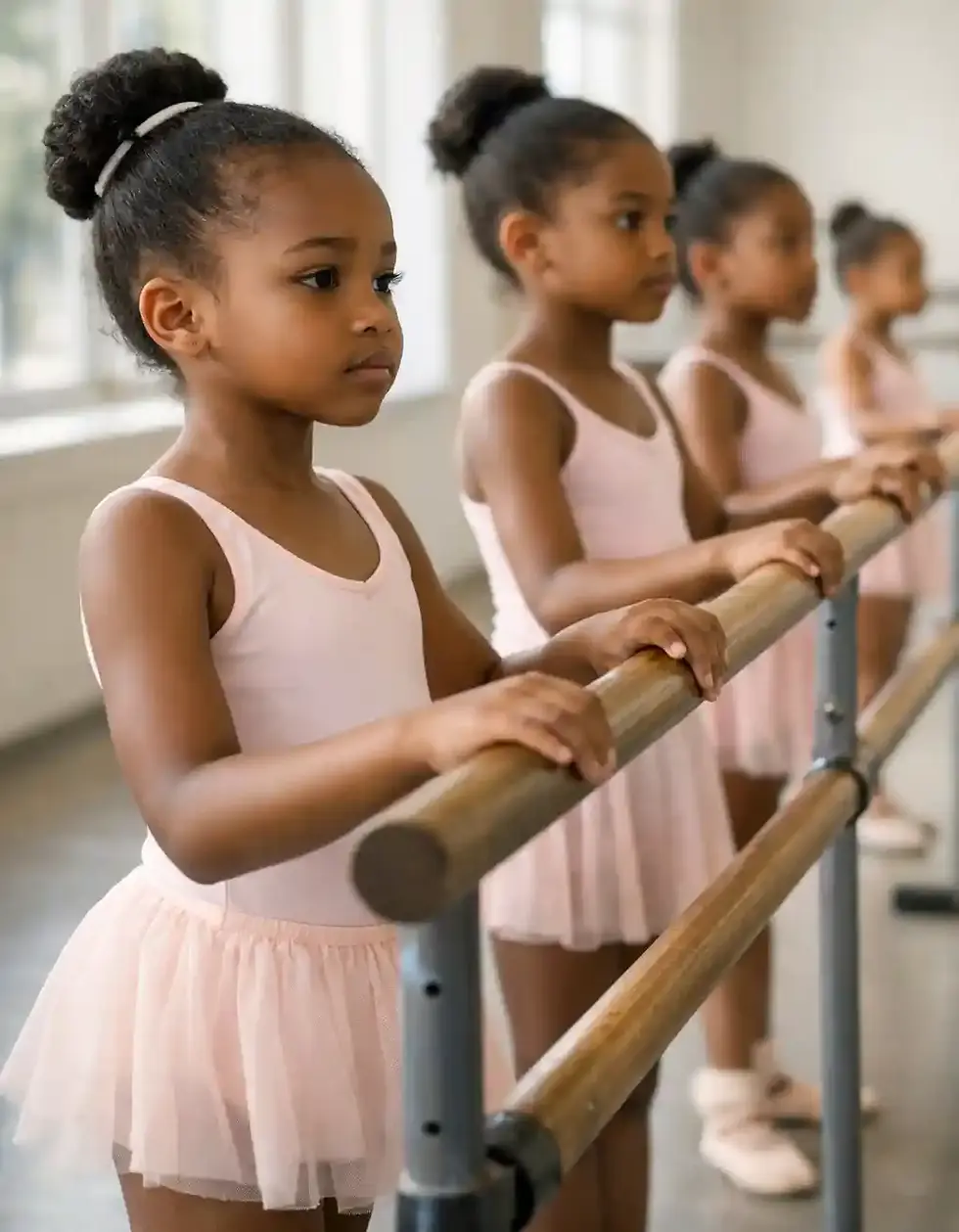
Teaching Emotional Discipline and Patience in Ballet Class Through Structure
Teaching emotional discipline and patience in ballet class starts with structure. Ballet follows a clear format, which helps children understand expectations.
Because movements must be precise, students learn to control frustration. They also discover how to accept corrections calmly. Over time, this process strengthens emotional regulation and resilience.
According to research from the American Psychological Association, structured activities help children develop emotional self-management skills: Emotional Regulation in Children – https://www.apa.org
Patience Through Repetition and Practice
Teaching emotional discipline and patience in ballet class naturally happens through repetition. Ballet steps often require weeks—or months—to master.
As a result, students learn that improvement takes time. They begin to understand that progress comes from steady effort, not instant results. This mindset encourages patience, focus, and determination.
At Inez Patricia School of Dance, instructors emphasize progress over perfection. Learn more about our teaching philosophy here: Ballet Training for Children – https://www.inezpatriciadance.com/
Listening Skills and Emotional Control
Teaching emotional discipline and patience in ballet class also strengthens listening skills. Students must wait their turn, follow instructions, and observe demonstrations carefully.
Because ballet requires attention to detail, children practice staying present. This helps reduce impulsive behavior while encouraging thoughtful responses.
Consequently, students become more emotionally balanced and confident.
Ballet as a Safe Space for Emotional Growth
Teaching emotional discipline and patience in ballet class provides a supportive environment. Children learn that mistakes are part of learning.
Instructors guide students to respond calmly to challenges. This approach builds trust, emotional maturity, and respect for others. According to Dance/USA, dance education supports emotional intelligence in young learners: Dance and Emotional Development – https://www.danceusa.org
Long-Term Benefits Beyond the Studio
The lessons gained from teaching emotional discipline and patience in ballet class extend into everyday life. Children become more patient at school, more focused during tasks, and more respectful in social settings.
Because ballet nurtures both mind and body, it supports well-rounded development that lasts well into adulthood.


Comments