


Dance Recovery Tips for Horton Technique Modern Dance: Recover Well and Return Stronger
Strong dance training does not end when class finishes. What dancers do after a demanding session can influence how prepared they feel when they return to the studio.
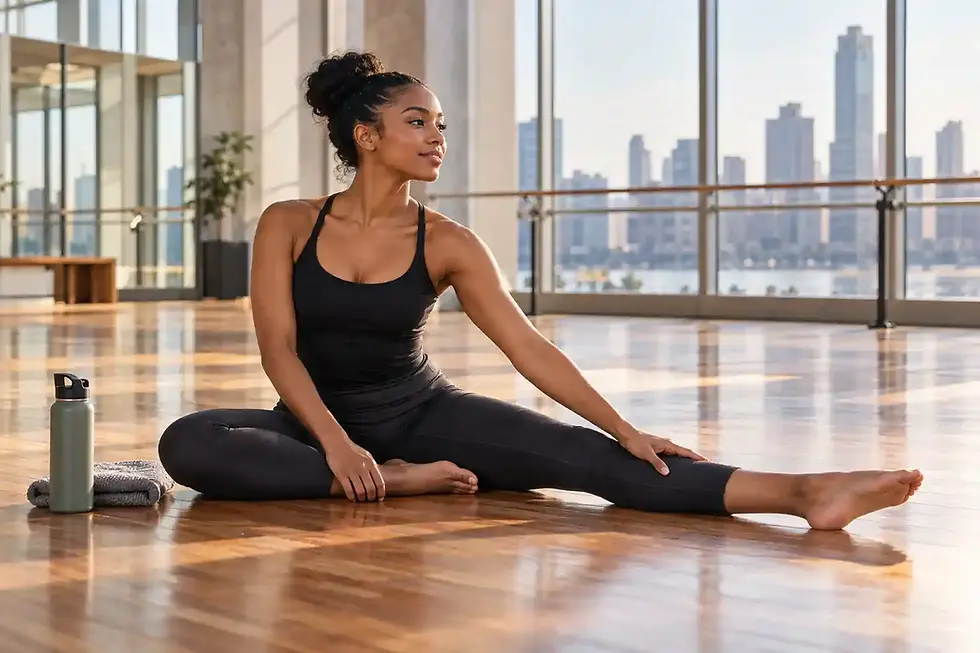
For students studying Horton Technique Modern Dance, recovery deserves special attention. Horton-based training challenges strength, flexibility, coordination, alignment, muscular endurance, and full-body control. Deep lunges, extended lines, lateral movements, traveling combinations, and sustained positions can place significant demands on the body.
Therefore, dancers should view recovery as part of training rather than something separate from it.
These Dance Recovery Tips for Horton Technique Modern Dance can help dancers develop healthier routines while supporting consistent, sustainable progress.
Why Recovery Matters in Horton Technique Modern Dance
Horton Technique Modern Dance develops dancers through structured exercises that challenge the entire body.
A typical training session may require repeated use of the:
Legs and feet
Hips
Core
Back
Shoulders
Arms
Cardiovascular system
As a result, dancers can finish class feeling physically tired even when their technique remains strong.
The International Association for Dance Medicine & Science notes that adequate rest helps the body recover from physical training, manage fatigue, and reduce problems associated with excessive training.
Recovery also gives dancers an opportunity to notice how their bodies responded to training.
Rather than immediately thinking about the next class, take time to identify areas of fatigue, tightness, or discomfort.
1. Cool Down After Horton Technique Modern Dance
Stopping suddenly after an intense combination does not provide the same transition as gradually reducing activity.
Instead, give your body time to move from demanding dance work toward rest.
A simple post-class cool-down might include:
Easy walking around the studio
Gentle full-body movement
Controlled breathing
Light joint mobility
Comfortable stretching
Slow movement through familiar ranges
Keep the movements controlled and relaxed.
The goal is not to perform another workout. Instead, use the cool-down as a transition from training into recovery.
Dance medicine resources also recognize warm-up and cool-down practices as important parts of dancer fitness and physical preparation.
2. Rehydrate After Dance Class
Dance training can produce considerable sweat, particularly during long classes, rehearsals, or warm studio conditions.
Consequently, dancers should pay attention to hydration both during and after training.
Drink water regularly rather than waiting until you feel extremely thirsty.
Your individual hydration needs can vary according to:
Training intensity
Session length
Studio temperature
Humidity
Personal sweat rate
Other physical activity
Hospital for Special Surgery notes that dehydration can affect several body systems and that fatigue associated with dehydration may create additional concerns for dancers.
Keeping a water bottle nearby can make regular hydration easier.
3. Refuel Your Body After Training
Recovery also depends on adequate nutrition.
Dance requires energy. Therefore, dancers need enough food to support both physical activity and the recovery that follows it.
After demanding Horton Technique Modern Dance training, choose balanced foods that fit your individual nutritional needs.
A post-training meal or snack may include a combination of carbohydrates, protein, fluids, and other nutrients from a varied diet.
Most importantly, avoid viewing food as something dancers must "earn" through exercise.
Food provides the energy required for training, school, work, everyday activity, and recovery.
Dancers with specialized nutritional needs should consult a qualified healthcare professional or registered dietitian.
4. Prioritize Sleep for Dance Recovery
Sleep is one of the simplest recovery tools available to dancers.
During periods of demanding training, consistent sleep can help dancers manage fatigue and prepare for future activity.
IADMS specifically identifies sufficient, quality sleep as an important part of recovery and avoiding excessive training stress.
Try to create a regular nighttime routine.
For example:
Maintain a consistent bedtime when possible.
Reduce stimulating activities shortly before sleep.
Give yourself enough time to relax.
Avoid regularly sacrificing sleep for additional practice.
More rehearsal is not always more productive.
Sometimes the most useful preparation for tomorrow's class is adequate rest tonight.
5. Use Gentle Mobility Instead of Forcing Flexibility
Dancers often feel tempted to perform deep stretches after class because the body already feels warm.
However, recovery should not become another competition to achieve greater flexibility.
Instead, use gentle mobility to maintain comfortable movement.
Pay attention to areas that worked particularly hard during Horton Technique Modern Dance, including the hips, legs, ankles, torso, and shoulders.
Move slowly and stay within a comfortable range.
Avoid bouncing or aggressively forcing joints into extreme positions.
For more information about developing flexibility responsibly, read:
6. Give Hard-Working Muscles Time to Recover
Horton Technique often demands strong muscular engagement.
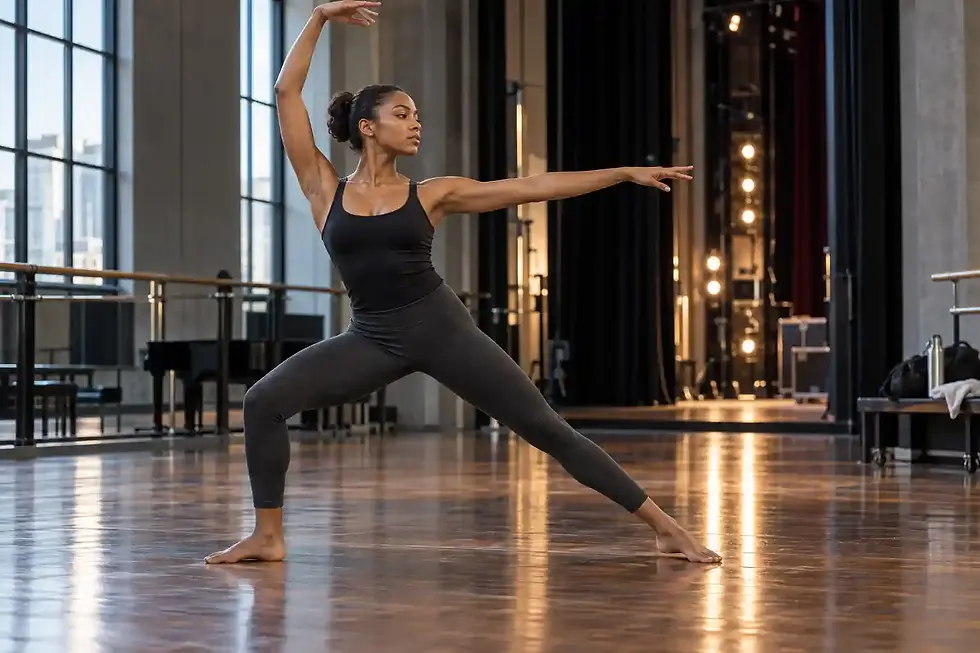
Deep positions challenge the legs. Extended shapes require postural control. Traveling sequences increase whole-body workload. Meanwhile, sustained positions can test muscular endurance.
Because of these demands, dancers should not assume that soreness means they need another difficult workout.
A lower-intensity recovery day may be more appropriate after especially demanding training.
Depending on your schedule, recovery activities might include:
Comfortable walking
Easy mobility
Gentle stretching
Light conditioning
Relaxed recreational movement
Complete rest when needed
Your instructor can also help you understand how to balance technique classes with additional conditioning.
7. Pay Attention to Your Feet and Ankles
Modern dancers frequently train barefoot. As a result, the feet and ankles play an important role in absorbing force, controlling balance, changing direction, and maintaining contact with the floor.
After class, notice how they feel.
Temporary muscular fatigue may occur after demanding activity. However, persistent pain deserves attention.
Strong technique also matters during training. Controlled landings, organized alignment, and appropriate progression can help dancers manage physical demands.
If discomfort repeatedly appears in the same area, tell your instructor rather than hiding it.
8. Balance Training and Recovery Days
Consistency matters in dance, but consistency does not mean performing maximum-intensity training every day.
Training creates a physical challenge. Recovery allows the dancer to prepare for the next challenge.
Therefore, a balanced training schedule might include harder technique days alongside lighter movement or rest periods.
This balance becomes especially important when dancers combine Horton training with:
Ballet
Jazz
Contemporary dance
Rehearsals
Performances
Strength training
School athletics
Consider your total workload rather than evaluating each class separately.
For more information about maintaining stamina during demanding dance training, explore:
9. Learn the Difference Between Fatigue and Pain
Dancers naturally experience effort during training.
Muscles may feel tired after repeated combinations, long rehearsals, or strength-focused exercises. However, sharp, persistent, worsening, or unusual pain should not become a normal part of dance practice.
Do not attempt to "dance through" significant pain simply because you want to complete a combination.
Instead, communicate with your instructor.
When pain persists or an injury is suspected, seek evaluation from a qualified healthcare professional. NYU Langone's Harkness Center for Dance Injuries specifically provides assessment, treatment, rehabilitation, and injury-prevention resources designed for dancers.
Early attention may help prevent a small concern from becoming a larger problem.
10. Use Recovery to Improve Body Awareness
Recovery provides another opportunity to develop one of the most valuable skills in Horton Technique Modern Dance: body awareness.
After class, ask yourself:
Which movements felt strongest today?
Where did I experience unusual tension?
Did I maintain alignment when I became tired?
Did one side feel different from the other?
Did my movement quality decline toward the end of class?
Do I feel prepared for another intense session?
These observations can help dancers train more intentionally.
They can also provide useful information when speaking with an instructor.
Dance Recovery Tips for Horton Technique Modern Dance Students
A practical recovery routine does not need to become complicated.
Think about five basic priorities:
Cool down. Gradually transition from intense movement to rest.
Rehydrate. Replace fluids after demanding dance activity.
Refuel. Support your body with regular, balanced nutrition.
Rest. Allow enough time for physical recovery and quality sleep.
Listen. Pay attention to fatigue, discomfort, and changes in movement quality.
These habits can support a more sustainable approach to dance education.
Recovery Supports Better Dance Training
Dancers sometimes believe progress comes only from doing more.
More stretches. More repetitions. More conditioning. More classes.
However, effective training depends on the relationship between work and recovery.
If fatigue continually builds, technical quality may decrease. Alignment can become harder to maintain, coordination may become less precise, and movement can start to feel less controlled.
In contrast, dancers who respect recovery can return to class ready to focus on technique instead of simply pushing through exhaustion.
For students developing their Horton foundation, explore:
Learn Horton Technique Modern Dance at Inez Patricia School of Dance
Horton training challenges dancers to develop strength, flexibility, coordination, balance, alignment, and expressive movement.
However, meaningful progress also requires patience.
At Inez Patricia School of Dance, students can explore structured dance education while developing stronger technical foundations and greater movement awareness.
Training consistently while respecting recovery can help dancers approach each class with greater focus and confidence.
Explore classes and dance programs through:
Helpful Dance Health Resources
For additional information about dancer health, conditioning, injury prevention, and recovery, explore these resources:
International Association for Dance Medicine & Science — Dance Fitness Resource Paper IADMS Dance Fitness Resource Paper
NYU Langone — Harkness Center for Dance Injuries: Injury Prevention Programs Dance Injury Prevention Programs
Hospital for Special Surgery — Performing Arts Medicine Collaborative Performing Arts Medicine Collaborative
Final Thoughts: Make Recovery Part of Your Technique
The best Dance Recovery Tips for Horton Technique Modern Dance are often simple: cool down, hydrate, eat adequately, sleep well, move gently, and pay attention to what your body communicates.
Recovery does not replace disciplined training.
It supports it.
When dancers balance demanding practice with appropriate recovery, they create a stronger foundation for continued technical and artistic development.
Train with intention. Recover with the same intention. Then return to the studio ready to move.



Comments