


Supporting Your Young Dancer in Horton Technique Modern Dance
Every young dancer needs more than technique to succeed. Encouragement, patience, understanding, and consistent support help children grow both inside and outside the dance studio.
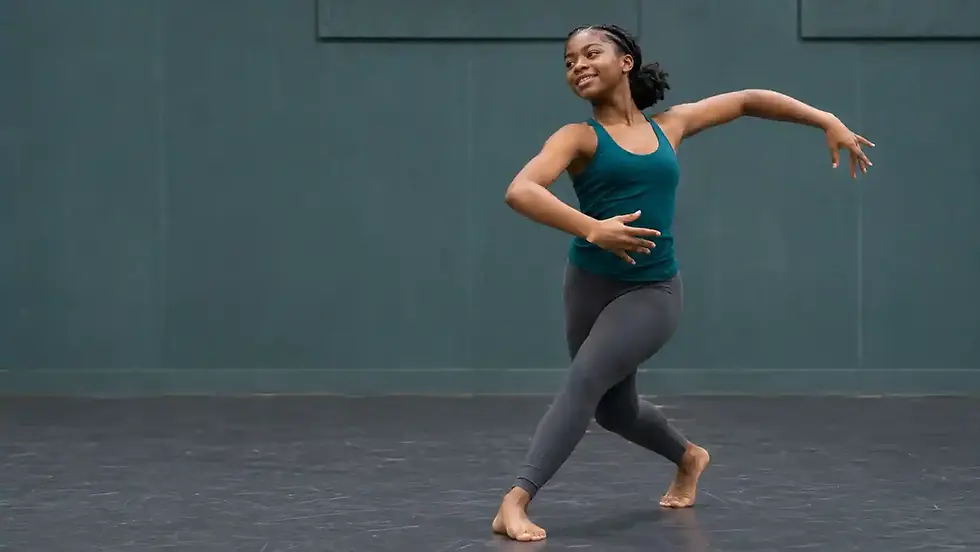
For parents, supporting your young dancer involves recognizing progress, building confidence, and encouraging healthy training habits. These actions can make a meaningful difference in a child's dance education.
Horton Technique Modern Dance provides a structured approach to movement. It emphasizes strength, flexibility, coordination, alignment, and artistic expression.
At Inez Patricia School of Dance, students can explore dance through programs that encourage technical development, creativity, discipline, and self-expression.
However, the learning process extends beyond the classroom. Families also play an important role in helping young dancers develop a lasting appreciation for movement.
Why Supporting Your Young Dancer Matters
Children develop dance skills at different speeds. Some quickly understand choreography, while others need additional time to strengthen coordination and movement awareness.
Both experiences are normal parts of learning.
When parents provide consistent encouragement, children can feel more comfortable exploring unfamiliar movements and accepting challenges.
The National Dance Education Organization explains that dance education supports physical development, creativity, social awareness, and emotional well-being.
Therefore, parental support should focus on the complete learning experience rather than technical achievement alone.
A child who enjoys training may feel more motivated to attend classes, explore movement, and continue developing.
Understanding Horton Technique Modern Dance for Young Dancers
Before supporting a young dancer's development, parents should understand the basic principles behind the technique.
Choreographer Lester Horton developed his modern dance approach through a combination of anatomical studies and diverse movement influences.
Today, Horton Technique remains an important foundation in modern dance education, including training associated with the Alvin Ailey tradition.
Alvin Ailey+1
The technique incorporates structured exercises that develop movement mechanics, muscular coordination, flexibility, rhythm, and performance quality.
Common Horton movements include:
Flat-back exercises that develop spinal organization and control.
Lateral stretches that explore length and alignment.
Fortification exercises that build strength and coordination.
Traveling sequences that improve rhythm and spatial awareness.
Movement combinations that connect technique with artistic expression.
Although these exercises may appear demanding, appropriate instruction introduces them progressively.
For younger students, introductory modern dance classes can establish essential movement foundations before more advanced Horton training.
Read more about Horton Technique Modern Dance for Kids: Building Strength, Confidence, and Creativity.
Supporting Your Young Dancer Through Positive Encouragement
Positive encouragement can shape how children approach their dance education.
Some dancers feel discouraged when they struggle with a combination. Others become frustrated when they cannot perform movements as confidently as their classmates.
Instead of focusing entirely on results, acknowledge effort and improvement.
For example, parents can say:
"I noticed how much effort you put into learning that movement."
"Your coordination is improving with practice."
"It's okay to make mistakes while learning."
"What was your favorite part of dance class today?"
These conversations help children recognize that growth requires practice.
Additionally, celebrating small accomplishments can make challenging lessons feel more rewarding.
Create Healthy Dance Habits at Home
A supportive home environment can help young dancers prepare for class and recover afterward.
However, children do not need demanding daily practice sessions to demonstrate commitment.
Instead, encourage simple routines that complement their training.
Establish a Consistent Schedule
Regular attendance helps dancers become familiar with movements, technical vocabulary, and classroom expectations.
Parents can support this consistency by organizing transportation, preparing dancewear, and allowing enough time before class.
Encourage Rest and Recovery
Growing dancers need adequate sleep, rest, and recovery.
Avoid adding intense stretching sessions or repetitive technical exercises simply to accelerate progress.
If a child experiences persistent pain, stop the activity and seek appropriate medical guidance rather than pushing through discomfort.
Promote Hydration and Balanced Nutrition
Encourage children to drink water regularly and eat balanced meals that support everyday activity.
A healthy relationship with food matters more than trying to achieve a particular dancer's appearance.
Make Practice Enjoyable
When teachers recommend home practice, keep sessions brief, age-appropriate, and focused.
Children can review musical counts, recall choreography, or practice simple movement patterns approved by their instructor.
The goal is to reinforce learning without creating unnecessary pressure.
Building Confidence in Horton Technique Modern Dance
Confidence develops through repeated experiences of learning and improvement.
A child may initially hesitate during a movement combination. However, continued practice can make the sequence feel more familiar.
Parents can strengthen confidence by helping children recognize their progress.
For instance, discuss improvements in balance, musicality, coordination, concentration, or artistic expression.
Avoid comparing your child with other dancers.
Every student has different physical abilities, learning experiences, and developmental needs.
Most importantly, remind young dancers that mistakes are valuable parts of technical education.
For additional guidance, explore Dance Confidence Tips with Horton Technique Modern Dance.
Communicate Regularly With Dance Instructors
Dance instructors can provide valuable insight into a student's strengths and areas for improvement.
As a parent, communicate with teachers about your child's progress, interests, and challenges.
Useful questions include:
Which technical skills should my child focus on?
What improvements have you noticed?
Is my child ready for more advanced movements?
How can we support learning at home?
Are there exercises my child should avoid practicing independently?
These conversations can help families establish realistic expectations.
Furthermore, professional guidance can prevent children from developing habits through unsupervised practice.
Encourage Creativity and Artistic Expression
Modern dance involves more than physical technique.
It also gives students opportunities to communicate ideas, explore emotions, interpret music, and discover individual movement qualities.
Horton Technique provides a technical framework, while creative exploration allows dancers to develop their artistic voices.
Parents can encourage expression by discussing music, attending performances, and asking children what they enjoy about dancing.
For example, invite your child to describe how a movement feels or what a piece of choreography communicates.
These discussions show children that their artistic ideas matter.
Consequently, they may become more comfortable expressing themselves during classes and performances.
Help Your Young Dancer Manage Performance Pressure
Performances can be exciting milestones. However, they may also introduce nervousness or unrealistic expectations.
Some children worry about remembering choreography, making mistakes, or disappointing their families.
Parents can reduce this pressure by emphasizing preparation and enjoyment.
Before a performance, encourage your child to focus on familiar routines rather than last-minute corrections.
Afterward, discuss what they enjoyed before evaluating technical details.
Remember that a successful performance does not require perfection.
Sometimes, stepping onto the stage with confidence represents meaningful progress.
Supporting Your Young Dancer With Safe Training Practices
Safe training is an essential part of long-term dance development.
Children's bodies continue to grow and adapt. Therefore, movement challenges must match their physical readiness and experience.
The American Academy of Pediatrics emphasizes balanced training, proper recovery, and recognizing signs of overuse injuries in young athletes, including dancers.
Parents can support safe participation by encouraging appropriate warm-ups, respecting physical limitations, and communicating concerns to instructors.
Avoid encouraging extreme flexibility or copying advanced exercises from social media.
Instead, prioritize controlled movement, proper alignment, and gradual development.
The goal is sustainable progress, not accelerated results.
For additional information, read Preventing Overuse Injuries in Young Athletes — American Academy of Pediatrics.
Choosing the Right Horton Technique Modern Dance Class
Choosing an appropriate class helps children build a strong foundation.
The right program should consider the student's age, experience, technical readiness, and interests.
At Inez Patricia School of Dance, the published 2026–2027 schedule includes several modern dance pathways:
Beginner Modern: Listed for ages 7 and older.
Elementary Modern: Designed for ages 9–12, incorporating introductory elements from Horton and other modern dance approaches.
Horton Technique: Advanced foundational training for older students with appropriate technical readiness.
The studio schedule lists Horton 1/2 for ages 12+, while the detailed Horton class description lists ages 13+. Families should confirm placement directly with the school.
Inez Patricia School of Dance+1
Parents should prioritize the class that best supports their child's current development rather than immediately selecting a more advanced level.
Explore the Inez Patricia School of Dance Class Schedule.
Frequently Asked Questions About Supporting Young Dancers
Is Horton Technique Modern Dance suitable for beginners?
Yes, students can begin learning Horton-inspired movement principles through age-appropriate introductory modern dance instruction. More advanced Horton exercises require suitable preparation and teacher guidance.
How can parents support dance practice at home?
Encourage regular attendance, adequate rest, positive conversations, and teacher-approved exercises. Avoid turning home practice into an additional source of pressure.
What if my child becomes frustrated with dance?
Listen to their concerns and identify the source of frustration. Challenges may involve difficult choreography, social experiences, fatigue, or performance anxiety. Communicating with instructors can help identify constructive solutions.
What matters more: flexibility or technique?
Both contribute to dance training, but flexibility should never replace control, alignment, and safe movement mechanics. Effective technical development combines several physical and artistic skills.
Continue Supporting Your Young Dancer at Inez Patricia School of Dance
Supporting your young dancer requires patience, encouragement, and an understanding of individual development.
Each class provides opportunities to build strength, confidence, coordination, discipline, and creativity.
While technical progress matters, the most rewarding experience involves helping children develop a positive and lasting relationship with dance.
At Inez Patricia School of Dance, students can explore Horton Technique Modern Dance and other dance programs that encourage artistic development and personal growth.
Whether your child is discovering modern dance or preparing for more advanced training, the right learning environment can help nurture their potential.
Help your young dancer grow with confidence, discipline, and creativity.
Visit Inez Patricia School of Dance to learn about programs and enrollment.
Call: 407-730-5177
Location: 4690 Hoffner Avenue, Orlando, FL 32812


Comments