


Understanding Horton Fortifications in Horton Technique Modern Dance
Strength, flexibility, and precise movement are essential elements of modern dance. However, developing these qualities requires more than simply repeating choreography.
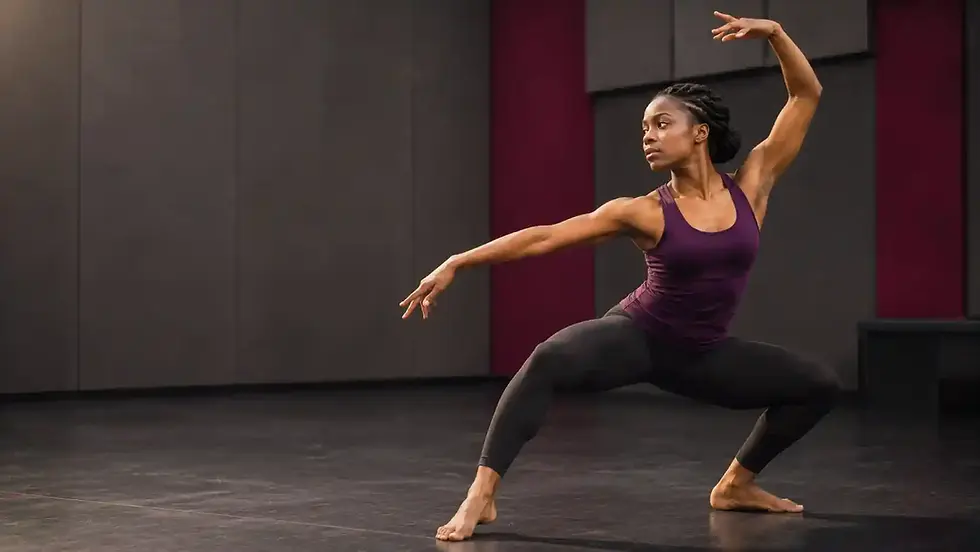
Horton fortifications provide a structured approach to improving physical control, coordination, and expressive movement. These exercises form an important part of the modern dance technique developed by Lester Horton.
At Inez Patricia School of Dance (IPSOD) in Orlando, Florida, students explore Horton Technique Modern Dance to strengthen their movement foundations and develop artistic confidence.
Understanding how fortifications work can help dancers approach their training with greater awareness and purpose.
What Are Horton Fortifications in Modern Dance?
Horton fortifications are structured movement studies that challenge different aspects of a dancer's physical and technical development.
Lester Horton developed his modern dance technique through anatomical study and a wide range of movement influences. His approach emphasizes strength, flexibility, coordination, body awareness, and expressive freedom.
According to Ailey Extension's Horton Technique overview, fortifications form the core of Horton training.
These studies address several essential movement qualities:
Muscular strength and endurance.
Flexibility and controlled mobility.
Body alignment and coordination.
Rhythm and movement timing.
Balance and spatial awareness.
Expressive movement quality.
Rather than treating each ability separately, Horton fortifications encourage dancers to coordinate the entire body.
Consequently, students learn to connect technical precision with artistic expression.
The History Behind Horton Fortifications
Understanding Horton fortifications begins with the vision of their creator, Lester Horton.
During the early twentieth century, Horton explored ways to develop strong, versatile dancers through a systematic movement approach.
His research combined anatomical knowledge with movement ideas from several cultural and artistic traditions.
In 1946, he established the Lester Horton Dance Theater in Los Angeles. His training methods later influenced numerous modern dance artists, including Alvin Ailey.
Following Horton's death in 1953, his students and colleagues helped preserve and develop his technical legacy.
Today, the technique remains central to dance education at The Ailey School and other training institutions.
The Alvin Ailey organization recognizes Horton's lasting influence on modern dance and many of Ailey's celebrated works.
Therefore, studying fortifications connects dancers with an important tradition in American modern dance history.
Understanding the 17 Horton Fortifications
One important feature of Horton Technique Modern Dance is its organized system of exercises.
The codified curriculum taught at The Ailey School includes 17 fortification studies. Each study explores particular body mechanics or movement qualities.
However, not every fortification serves the same purpose.
Some develop lower-body strength. Others challenge abdominal control, lateral movement, balance, coordination, or dynamic transitions.
1. Lower-Body Strength and Foot Control
Several fortifications concentrate on the feet, ankles, and legs.
For example, Fortification No. 1 addresses Achilles tendon flexibility and ankle strength. Fortification No. 2 emphasizes plié-based work and foot strength.
These studies challenge dancers to develop control while managing body weight.
Strong foot and ankle coordination supports stable movement and confident transitions.
Additionally, controlled knee and hip movement contributes to a dancer's ability to move through changing levels.
2. Lateral Movement and Full-Body Coordination
Fortification No. 3 explores lateral movement, while Fortification No. 4 incorporates lunge-based work.
These studies challenge dancers to organize the torso, pelvis, legs, and arms through expansive movement.
Lateral coordination plays an important role in creating the clean geometric shapes associated with Horton Technique.
Furthermore, dancers must manage their weight while changing direction.
The goal is not simply to reach farther. Instead, students should develop control throughout the movement.
3. Abdominal Strength and Core Stability
Fortification No. 6 focuses on abdominal work.
The exercise challenges dancers to coordinate their torso while maintaining strength and control through demanding positions.
Core stability helps dancers organize movement between the upper and lower body.
As a result, students can develop greater awareness during floor transitions, directional changes, and sustained movement phrases.
However, abdominal strength works best alongside balanced coordination throughout the body.
4. Balance, Elevation, and Movement Isolation
Other fortifications introduce additional technical challenges.
Fortification No. 11 explores rising and falling. Meanwhile, later studies address balance, turning preparation, elevation, and isolation.
Fortification No. 17 emphasizes isolations, coordination, and concentration.
Together, these studies encourage dancers to manage different movement demands without losing technical clarity.
Importantly, the numbering and teaching progression can vary between instructors and documented traditions.
Dance educators should therefore use an appropriate Horton curriculum when introducing these exercises.
For a detailed overview, explore The Horton Technique in 17 Fortifications by M-Intensive University.
Why Horton Fortifications Matter for Dance Training
Horton fortifications contribute to several important aspects of technical development.
Although each study has a specific emphasis, the exercises work together to challenge the dancer as a complete moving individual.
Developing Strength Through Movement
Modern dancers need strength to maintain positions, move through different levels, and perform demanding choreography.
Fortifications integrate muscular effort into coordinated dance sequences.
Consequently, dancers practice strength within movement rather than relying only on isolated conditioning exercises.
Over time, consistent training can support improved muscular endurance and movement control.
Improving Flexibility With Stability
Flexibility allows dancers to explore greater movement possibilities.
However, increased range does not automatically create better technique.
Horton exercises encourage dancers to combine mobility with muscular support.
For example, a controlled lateral movement requires both available range and coordinated stability.
Therefore, students should prioritize controlled flexibility rather than forcing extreme positions.
Strengthening Body Alignment
Alignment influences how dancers organize their movements.
Through structured training, students develop awareness of their spine, pelvis, shoulders, feet, and supporting legs.
This awareness helps them recognize unnecessary tension and improve coordination.
Furthermore, strong alignment supports the clear shapes and purposeful transitions that characterize Horton Technique Modern Dance.
Read our related article, Building Balance in Horton Technique Modern Dance, for additional guidance.
How Horton Fortifications Develop Musicality and Expression
Horton Technique emphasizes more than physical conditioning.
Rhythm, timing, and dynamic contrast also play essential roles.
During fortification studies, dancers coordinate their movements with specific musical counts and phrasing.
For example, one movement may require a sustained position before a controlled change in direction.
Another exercise may challenge the dancer to move quickly while maintaining precision.
These differences teach students to recognize movement dynamics and respond to rhythm.
Additionally, dancers begin to understand how technical choices influence performance quality.
A well-executed movement can communicate strength, tension, openness, or dramatic intention.
As students develop their abilities, they can use these qualities to create more expressive performances.
How Beginners Should Approach Horton Fortifications
Learning Horton fortifications requires patience, preparation, and appropriate instruction.
Some studies demand considerable strength, mobility, and coordination. Therefore, beginners should not immediately attempt every exercise.
Instead, students can begin by developing the foundational movement skills needed for more complex work.
Start With Foundational Horton Exercises
A Horton warm-up may include roll-downs, flat backs, primitive squats, and release swings.
These movements help introduce important ideas about posture, coordination, and controlled movement.
However, foundational warm-up exercises are not automatically the same as the numbered fortifications.
An instructor can explain the distinction and select suitable activities for each student's level.
Focus on Technique Before Complexity
Learning the movement pathway is more important than rushing through a difficult sequence.
First, understand the intended body position.
Next, explore the movement with manageable timing and range.
Afterward, coordinate the arms, torso, and legs with the appropriate rhythm.
Finally, increase complexity when the instructor determines that the dancer is ready.
This gradual approach supports technical understanding and more consistent movement quality.
Respect Individual Physical Limitations
Every dancer brings different strengths, mobility, and training experience to class.
Consequently, students should avoid comparing their movement range with another dancer's.
Instead, concentrate on appropriate alignment, muscular control, and steady progress.
If an exercise causes sharp or persistent pain, stop and inform the instructor.
For more training guidance, read Injury Prevention for Dancers in Horton Technique Modern Dance.
Common Mistakes When Practicing Horton Fortifications
Even experienced dancers can develop habits that reduce movement quality.
Recognizing these challenges can help students improve their technique.
Rushing Through Movement Transitions
Moving too quickly may cause dancers to lose coordination.
Therefore, learn the intended pathway before increasing tempo.
Forcing Excessive Flexibility
Attempting a larger movement range without sufficient control may place unnecessary stress on the body.
Instead, work within an appropriate range while gradually developing strength and mobility.
Ignoring the Supporting Leg
The supporting leg plays an important role in weight transfer and stability.
Pay attention to foot placement, knee coordination, and the relationship between the pelvis and torso.
Holding Unnecessary Tension
Excessive muscular gripping may restrict movement quality.
Maintain the support needed for each exercise while allowing natural breathing and responsive movement.
Practicing Advanced Studies Without Preparation
Some Horton fortifications involve demanding balances, level changes, and complex movement patterns.
A qualified instructor should determine which exercises suit each dancer's current abilities.
Above all, quality and consistency matter more than attempting difficult movements prematurely.
How Horton Fortifications Prepare Dancers for Advanced Movement
As dancers develop stronger foundations, they can approach more complex technical and artistic challenges.
Horton fortifications encourage students to connect strength, mobility, coordination, and rhythmic awareness.
These qualities support several broader dance skills.
For instance, stronger weight-transfer control can help dancers navigate traveling combinations.
Similarly, greater postural awareness can contribute to cleaner turns and sustained movement shapes.
Controlled rising and falling also prepares dancers for changes in movement level.
Moreover, learning structured exercises strengthens concentration and movement memory.
These skills can complement ballet, jazz, contemporary dance, and other performance disciplines.
Ultimately, fortifications provide a framework for developing both physical readiness and artistic versatility.
Learning Horton Fortifications at Inez Patricia School of Dance
At Inez Patricia School of Dance, we believe that strong technique and creative expression should develop together.
Our Horton Technique Modern Dance program emphasizes strength, flexibility, coordination, body awareness, and expressive movement.
Students have opportunities to explore modern dance principles within a structured educational environment.
Through consistent practice and instructor guidance, dancers can strengthen their technical foundations while developing artistic confidence.
Whether you want to refine your modern dance skills or explore a new movement discipline, learning Horton principles can support your development.
Explore our Dance Classes and review the Current Class Schedule to learn more about available training opportunities.
Contact our school to discuss class placement and enrollment.
Frequently Asked Questions About Horton Fortifications
How many Horton fortifications are there?
The codified Horton curriculum taught at The Ailey School includes 17 fortification studies. These exercises address different areas of physical and technical development. Teaching sequences may vary across traditions.
Are Horton fortifications suitable for beginners?
Beginners can learn foundational Horton principles through appropriately selected exercises. However, some numbered fortifications require substantial technical preparation. Qualified instructors should determine suitable progressions.
What muscles do Horton fortifications strengthen?
Different exercises challenge the abdominal muscles, back, hips, legs, ankles, and other supporting muscle groups. The emphasis varies according to the particular study.
Do Horton fortifications improve flexibility?
Horton training challenges mobility and muscular control. With appropriate instruction and consistent practice, dancers may improve their usable movement range. However, progress depends on individual needs and training experience.
Are Horton fortifications the same as a Horton warm-up?
No. Horton warm-ups prepare dancers for training through foundational movements. Fortifications are more specifically structured studies within the technique. Both contribute to overall technical development.
Why are fortifications important in modern dance?
They help dancers explore movement mechanics, muscular strength, flexibility, coordination, timing, and expressive qualities. These skills can support more advanced choreography and performance.
Conclusion: Building a Strong Foundation Through Horton Fortifications
Understanding Horton fortifications provides valuable insight into the technical structure of Horton Technique Modern Dance.
These studies go beyond simple stretching or strengthening exercises. They challenge dancers to coordinate their bodies while developing precision, awareness, and artistic expression.
Through thoughtful instruction and consistent practice, students can build the physical and technical qualities needed for more demanding movement.
Most importantly, strong dance technique develops through patient learning rather than rushed progress.
At Inez Patricia School of Dance, we encourage dancers to explore their potential through disciplined training and creative discovery.
Build strength. Develop precision. Express yourself through movement.
Begin Your Horton Technique Modern Dance Journey at IPSOD
Inez Patricia School of Dance4690 Hoffner AveOrlando, FL 32812
Phone: 407-730-5177Website: https://www.inezpatriciadance.com/


Comments