


Next Steps in Horton Technique Modern Dance
Learning modern dance is an exciting journey, but what happens after you understand the fundamentals?
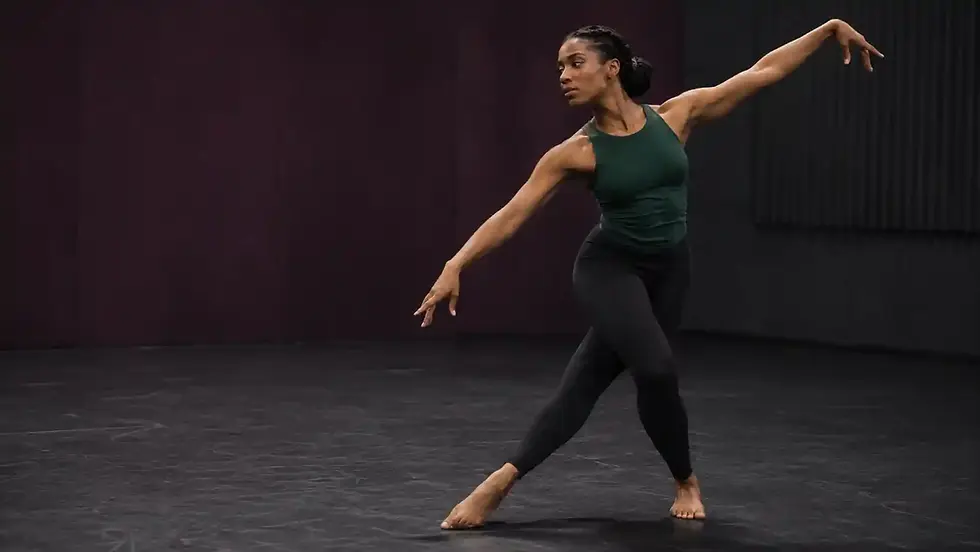
For dancers ready to grow, Horton Technique Modern Dance offers opportunities to develop technical precision, physical coordination, artistic expression, and performance confidence.
Moving forward requires more than memorizing exercises. Dancers must learn to connect movements, respond to musical changes, and apply their training to increasingly complex choreography.
At Inez Patricia School of Dance (IPSOD) in Orlando, Florida, we encourage students to approach every new challenge with discipline, curiosity, and confidence.
Whether you want to advance your skills, prepare for performances, or explore new dance opportunities, understanding your next steps can help you move forward with purpose.
Understanding Your Next Steps in Horton Technique Modern Dance
Horton Technique, developed by choreographer Lester Horton, uses a systematic approach to physical training and expressive movement.
According to Alvin Ailey's Horton Technique program, the technique includes structured movement studies that develop strength, coordination, flexibility, rhythm, and movement quality.
These studies include fortifications, locomotions, projections, and other movement sequences.
As dancers gain experience, their focus begins to change.
Beginners often concentrate on learning positions and understanding movement vocabulary. Meanwhile, developing dancers must connect these skills into coordinated, expressive combinations.
Therefore, the next stage involves refining familiar techniques while exploring new physical and artistic challenges.
1. Evaluate Your Current Modern Dance Skills
Before advancing to more challenging choreography, identify the skills you already perform confidently.
A thoughtful self-assessment can reveal strengths and areas that need additional attention.
Review Your Technical Foundations
Consider these important aspects of Horton training:
Body alignment: Can you maintain organized posture during movement?
Strength: Can you support positions without unnecessary muscular tension?
Balance: Can you control weight transfers and directional changes?
Coordination: Do your arms, legs, and torso move together effectively?
Musicality: Can you recognize rhythmic patterns and respond to tempo changes?
Movement quality: Can you perform familiar exercises with clarity and intention?
For example, a dancer might understand the mechanics of a Horton exercise but struggle to maintain control during faster transitions.
In that case, improving coordination may be more beneficial than learning another advanced position.
Additionally, ask your instructor for feedback. An experienced teacher can help identify realistic goals based on your current abilities.
For more guidance, explore our article on Building Balance in Horton Technique Modern Dance.
2. Move Beyond Individual Exercises into Dance Combinations
One important next step involves transforming separate technical exercises into connected movement phrases.
In Horton Technique Modern Dance, dancers gradually learn to maintain alignment and coordination while changing directions, levels, and rhythms.
Develop Smoother Movement Transitions
Instead of focusing only on the beginning and ending of a movement, pay attention to what happens between positions.
For instance, transitioning from a grounded stance into a traveling movement requires coordinated weight distribution, muscular control, and spatial awareness.
To improve these connections:
Practice short combinations before attempting longer sequences.
Maintain body alignment throughout each transition.
Coordinate arm pathways with lower-body movements.
Focus on controlled weight transfers.
Increase movement complexity only when your technique remains consistent.
Consequently, movements can become more continuous and expressive without sacrificing technical accuracy.
The goal is not simply to move faster. Instead, dancers should develop greater control while connecting different movement patterns.
3. Strengthen Musicality and Artistic Expression
Technical development creates a foundation for artistic communication.
However, strong technique alone does not automatically produce an engaging performance.
Dancers must also understand how movement relates to music, emotion, and personal interpretation.
Explore Musical Timing
Begin by practicing familiar combinations with different rhythmic accents.
For example, a movement phrase might emphasize strong, deliberate actions during one musical section and softer transitions during another.
This approach encourages dancers to recognize musical structure rather than simply count steps.
Furthermore, experimenting with tempo and dynamic contrast can improve movement awareness.
Develop Your Individual Dance Style
Horton Technique Modern Dance encourages physical discipline while providing a foundation for expressive movement.
As your confidence grows, explore how intention changes the quality of a familiar movement.
Consider the difference between performing a phrase with determination, curiosity, or calmness.
Although the choreography may remain unchanged, your movement dynamics can communicate different artistic ideas.
Ultimately, developing an individual performance style requires creativity alongside technical consistency.
4. Explore Complementary Dance Training
Continuing your modern dance education does not mean practicing only one technique.
Other dance disciplines can introduce movement challenges that complement Horton training.
Ballet for Alignment and Coordination
Ballet training emphasizes posture, placement, musicality, and organized movement.
These principles may help dancers recognize important technical details across different dance styles.
Contemporary Dance for Creative Exploration
Contemporary dance introduces varied movement approaches, dynamic changes, and expressive choreography.
As a result, dancers can explore different physical qualities while applying their existing technical knowledge.
Improvisation for Movement Confidence
Improvisation encourages dancers to create movement without depending entirely on memorized combinations.
For example, an instructor might ask students to explore directional changes, contrasting energy, or movements inspired by a musical phrase.
This process can develop creativity, responsiveness, and greater confidence when making artistic choices.
At Inez Patricia School of Dance, students can explore different disciplines through our dance class programs.
5. Prepare for New Performance Opportunities
Once dancers develop greater confidence in their technique, performing can provide an opportunity to apply their skills.
A performance requires coordination, memory, musicality, concentration, and communication.
Moreover, dancers must maintain their movement quality while responding to the demands of rehearsal and choreography.
Build Performance Readiness
Start by practicing complete movement phrases without stopping unnecessarily.
Next, work on remembering transitions, maintaining spatial awareness, and expressing the intention behind the choreography.
Additionally, become comfortable receiving constructive feedback from instructors.
Performance preparation may involve:
Participating in appropriate studio showcases or recitals.
Practicing choreography with musical accompaniment.
Learning how to respond to changes during rehearsals.
Exploring workshops suited to your experience.
Preparing for auditions when your technical readiness supports that goal.
However, dancers do not need to pursue professional performance to benefit from these experiences.
Participating in a studio presentation or creative workshop can also support personal development.
Read our guide to Performance Preparation with Horton Technique Modern Dance for additional strategies.
6. Know When to Advance in Horton Technique Modern Dance
Moving into a more challenging class should depend on readiness rather than the number of months you have attended lessons.
Some dancers develop specific skills quickly, while others benefit from additional time refining foundational techniques.
Signs You May Be Ready for More Advanced Training
You may be ready for a new challenge when you can:
Perform foundational exercises with reliable control.
Apply instructor corrections consistently.
Remember longer movement combinations.
Maintain alignment during directional and rhythmic changes.
Demonstrate suitable strength, coordination, and movement awareness.
Approach new choreography without losing essential technique.
Nevertheless, these indicators do not replace an instructor's evaluation.
A qualified dance teacher can assess your preparation and recommend an appropriate class level.
Avoid rushing into demanding fortifications or complex movement combinations before developing the necessary control.
Progress should remain challenging, manageable, and physically appropriate.
7. Create a Practical Horton Technique Modern Dance Development Plan
A structured training plan can help dancers turn their goals into consistent action.
Instead of attempting several improvements at once, concentrate on one important area each week.
A Four-Week Development Plan
Week 1: Review Your Foundation
Identify one technical strength and one area that needs improvement. Discuss both with your instructor.
Week 2: Improve Movement Connections
Focus on smooth transitions, coordinated arm pathways, and clear directional changes during class combinations.
Week 3: Develop Musical Interpretation
Practice responding to rhythm, accents, and dynamic contrasts. Explore how these elements influence your movement quality.
Week 4: Evaluate Your Progress
Review instructor feedback, reflect on your confidence, and choose a realistic goal for the following month.
This plan provides a framework rather than a guaranteed improvement timeline.
Every dancer progresses differently. Therefore, adjust your practice to match your experience, energy, class schedule, and recovery needs.
Most importantly, avoid practicing advanced movements without appropriate instruction or pushing through pain.
8. Explore Long-Term Opportunities in Modern Dance
As your experience develops, you may discover new interests within dance education and performance.
Some dancers enjoy studying additional techniques. Others become interested in choreography, improvisation, teaching, or professional training.
Consider Advanced Training and Education
For students pursuing intensive dance education, structured programs can provide opportunities to study technique, composition, performance, and dance history.
For example, The Ailey School Certificate Program combines technical instruction with creative studies, academics, and performance development.
Such programs have specific admission requirements and may involve competitive auditions.
However, professional training is only one possible direction.
Dancers can also continue learning through recreational classes, community performances, workshops, and personal artistic projects.
The most meaningful next step is one that reflects your interests, abilities, and long-term goals.
Continue Your Horton Technique Modern Dance Journey at IPSOD
Choosing a supportive training environment is an important part of dance development.
At Inez Patricia School of Dance, we believe dancers grow through structured instruction, creative exploration, consistent practice, and encouragement.
Our programs include Horton Technique, ballet, contemporary dance, and other disciplines that support technical and artistic development.
Whether you want to improve your coordination, explore choreography, or develop greater performance confidence, our school provides opportunities to continue your dance education.
Find the Right Class for Your Next Step
Our published class schedule includes beginner modern dance options and more advanced Horton training.
Class placement depends on factors such as age, previous experience, and technical readiness.
Explore the IPSOD Dance Class Schedule or contact our team to discuss suitable training opportunities.
Inez Patricia School of Dance
4690 Hoffner Ave, Orlando, FL 32812
Phone: 407-730-5177
Website: https://www.inezpatriciadance.com
Frequently Asked Questions About Your Next Steps in Modern Dance
What should I learn after mastering basic Horton exercises?
Focus on improving transitions, alignment, coordination, musicality, and expressive movement. As your skills develop, your instructor can introduce more challenging combinations.
How do I know if I am ready for advanced Horton Technique Modern Dance?
Look for consistent technical control, confidence with familiar exercises, strong movement awareness, and the ability to apply corrections. Your instructor should help determine the appropriate level.
Can Horton Technique help me prepare for dance performances?
Yes. Horton training develops coordination, muscular control, rhythm, spatial awareness, and movement quality. These abilities can support performance preparation when combined with appropriate rehearsals and artistic training.
Should I learn other dance styles while studying Horton Technique?
Complementary training can support versatility and introduce new movement ideas. Ballet, contemporary dance, and improvisation may provide useful additional experiences.
Where can I continue learning Horton Technique Modern Dance in Orlando?
Inez Patricia School of Dance offers Horton Technique and other dance programs in Orlando, Florida. Contact the school to learn about current classes and appropriate placement.
Final Thoughts: Take the Next Step with Confidence
Your development as a modern dancer does not end when you understand the fundamentals.
Instead, each new skill creates opportunities to improve your technique, discover your artistic identity, and explore meaningful dance experiences.
Through Horton Technique Modern Dance, dancers can continue developing the strength, coordination, precision, and confidence needed for expressive movement.
Remember that consistent improvement matters more than rushing toward advanced choreography.
Set realistic goals, embrace constructive feedback, and remain curious about what you can learn.
Ready to discover your next steps in modern dance?
Explore the programs at Inez Patricia School of Dance and take the next step toward your personal dance goals.


Comments