


Injury Prevention for Dancers in Horton Technique Modern Dance
Dance combines athletic strength, artistic expression, flexibility, and precise coordination. However, every demanding movement also requires physical preparation and thoughtful training habits.

Injury prevention for dancers in Horton Technique Modern Dance begins with understanding how the body moves, responds to physical stress, and recovers between classes.
Horton Technique emphasizes powerful lines, grounded movement, flexibility, and muscular control. Consequently, dancers must develop the strength and awareness needed to perform challenging exercises responsibly.
At Inez Patricia School of Dance (IPSOD), students explore technical movement and artistic development through structured dance education.
By practicing proper alignment, conditioning, and recovery habits, dancers can reduce avoidable injury risks while building lasting confidence.
Injury Prevention for Dancers in Horton Technique Modern Dance: Why It Matters
Modern dance places significant demands on muscles, joints, tendons, and supporting structures.
Horton Technique, developed by Lester Horton, uses a structured movement vocabulary that includes flat backs, lateral stretches, deep lunges, and dynamic traveling sequences.
According to Ailey Extension's Horton Technique overview, these exercises develop coordination, strength, movement range, rhythm, and expressive control.
Nevertheless, repetitive movement, sudden training increases, poor recovery, and inadequate physical preparation can contribute to injuries.
Dancers commonly experience problems involving the ankles, feet, knees, hips, and lower back.
The goal of injury prevention is not to eliminate challenging movement. Instead, dancers should learn how to approach physical demands with preparation, technical understanding, and appropriate progression.
1. Begin Every Horton Technique Class With a Proper Warm-Up
A well-planned warm-up prepares the body for the physical demands of dancing.
Rather than starting with deep stretches or intense combinations, begin with gentle movements that gradually increase activity.
For example, a dance-specific warm-up may include:
Light walking or easy traveling movements.
Controlled ankle, hip, and shoulder mobility.
Gentle knee bends and weight transfers.
Dynamic leg movements within a comfortable range.
Progressive movements related to upcoming Horton exercises.
Next, increase the complexity of the exercises as your body becomes ready.
The International Association for Dance Medicine & Science recommends structured warm-ups that gradually prepare dancers for demanding activity.
Importantly, avoid using the beginning of class to force maximum flexibility. Instead, prioritize controlled movement and preparation.
2. Practice Safe Alignment During Horton Movements
Good alignment supports efficient movement and helps dancers manage physical demands.
However, correct alignment does not mean forcing every dancer into an identical position. Individual anatomy, mobility, strength, and training experience influence movement possibilities.
Control the Flat-Back Position
Flat-back exercises challenge postural strength, coordination, and muscular endurance.
When practicing this position, dancers should organize their torso, hinge appropriately from the hips, and maintain a supported spinal position.
Avoid dropping into the movement without muscular control.
Additionally, reduce the depth when maintaining the intended shape becomes difficult.
Maintain Control During Lateral Stretches
Lateral movements require coordinated movement through the torso, pelvis, and legs.
Therefore, avoid forcing a larger stretch simply to achieve a dramatic appearance.
Instead, maintain stable weight distribution and use a comfortable movement range.
For more information, read Avoiding Overstretching: Horton Technique Modern Dance.
Manage Weight Distribution in Deep Lunges
Deep lunges place considerable demands on the legs and hips.
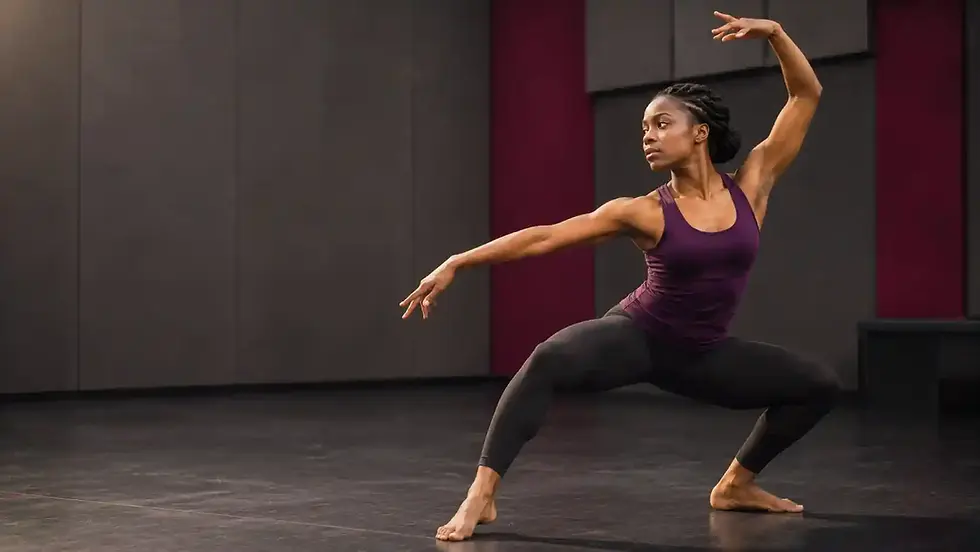
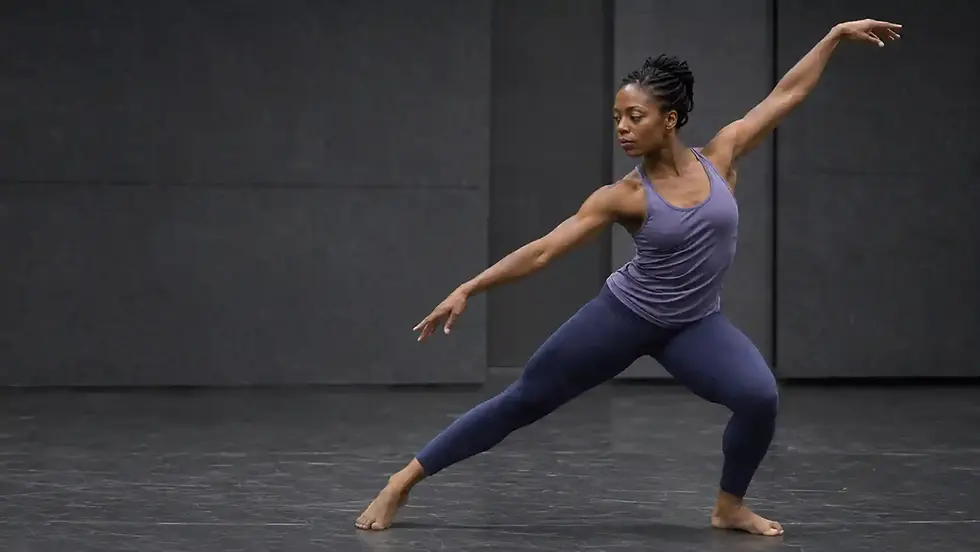
Dancers should maintain comfortable joint positioning, stable foot contact, and controlled movement between positions.
Furthermore, avoid allowing fatigue to turn a smooth transition into a sudden collapse.
Gradually developing strength and coordination can help dancers approach deeper positions with greater control.
3. Improve Landing and Transition Mechanics
Injury prevention for dancers in Horton Technique Modern Dance also involves managing the forces created during jumps, directional changes, and traveling combinations.
Poorly controlled landings may increase stress on the lower limbs.
For this reason, dancers should practice absorbing movement forces through coordinated bending of the hips, knees, and ankles.
Start with smaller movements before attempting more demanding sequences.
Meanwhile, maintain awareness of how the feet contact the floor and how body weight transfers between positions.
A qualified instructor can provide feedback on landing mechanics and movement quality.
As dancers improve their coordination, they can gradually develop more complex combinations without rushing technical progression.
4. Build Strength to Support Dance Technique
Flexibility alone does not provide everything a dancer needs.
Modern dancers also rely on muscular strength, stability, coordination, and endurance.
For Horton Technique, balanced conditioning can support the body during sustained positions and traveling combinations.
Useful training areas include the core, hips, thighs, calves, feet, ankles, shoulders, and upper back.
Strengthening exercises may include controlled squats, calf raises, balance activities, and appropriately supervised resistance exercises.
However, conditioning should complement dance classes rather than create excessive additional fatigue.
According to the International Association for Dance Medicine & Science, supplemental strength training can support performance and help reduce dance-related injury risk.
Therefore, dancers should develop a balanced conditioning plan that matches their experience, workload, and individual needs.
5. Increase Training Intensity Gradually
Progress in Horton Technique Modern Dance requires consistency. However, sudden increases in exercise intensity can overwhelm the body's ability to adapt.
For example, a student who usually attends one or two dance classes weekly may experience additional fatigue during a demanding performance rehearsal period.
Therefore, consider the combined workload of dance classes, rehearsals, conditioning, and other physical activities.
Increase training demands progressively whenever possible.
Likewise, avoid immediately returning to maximum intensity after a lengthy break.
A measured approach allows dancers to build technical skills while respecting recovery needs.
For additional guidance, explore Preventing Overuse Injuries in Horton Technique Modern Dance.
6. Protect Your Feet and Ankles During Barefoot Training
Many modern dance exercises use barefoot movement.
Consequently, dancers must pay attention to foot control, floor contact, and the condition of their training environment.
Before practicing, check that the studio floor remains clean, dry, appropriate for dancing, and free from obstacles.
Additionally, use controlled foot articulation during traveling sequences.
Avoid gripping the floor excessively with the toes or forcing the feet into painful positions.
Furthermore, tell your instructor about recurring ankle discomfort or balance difficulties.
These habits encourage greater movement awareness while supporting safer participation.
7. Balance Flexibility With Muscular Stability
Horton Technique encourages expansive lines and coordinated movement through different ranges.
Nevertheless, extreme flexibility should never replace proper control.
Dancers benefit from developing active mobility, which allows them to move through available ranges using their own muscular strength.
For instance, controlled leg movements can help students explore balance, coordination, and muscular engagement.
In contrast, forcing the body beyond a comfortable range may create unnecessary stress.
Progress gradually and avoid comparing your flexibility with another dancer's.
Most importantly, remember that effective technique depends on movement quality rather than stretch depth alone.
8. Recognize Warning Signs Before Injuries Become Worse
Understanding the difference between normal training effort and concerning pain is essential.
Some muscular soreness can occur after unfamiliar exercise. However, persistent or worsening pain deserves attention.
According to Johns Hopkins Medicine, dancers should seek professional guidance when pain intensifies during activity, interferes with movement, or occurs at night.
Additional warning signs include:
Sharp or sudden pain.
Persistent swelling or joint discomfort.
Pain that repeatedly returns during the same exercise.
Limping or difficulty bearing weight.
Unusual weakness, tingling, or numbness.
Pain that changes normal walking or dancing patterns.
If these symptoms appear, stop the painful activity and inform your instructor.
Seek assessment from a qualified healthcare professional when appropriate. Sudden severe symptoms, visible deformity, or inability to bear weight after an injury warrant prompt medical attention.
Never assume that working through significant pain demonstrates dedication.
9. Make Recovery Part of Your Dance Training
Recovery helps dancers manage physical stress and prepare for future classes.
Without adequate recovery, accumulated fatigue may affect coordination, concentration, and movement quality.
Therefore, establish habits that support physical readiness.
Prioritize adequate sleep, regular meals, appropriate hydration, and suitable rest between demanding sessions.
After training, gradually reduce movement intensity and reflect on how your body responded.
Additionally, communicate with your instructor when soreness, fatigue, or discomfort interferes with normal technique.
Explore our Dance Recovery Tips for Horton Technique Modern Dance for more practical guidance.
10. Follow a Practical Injury-Prevention Checklist
Injury prevention for dancers in Horton Technique Modern Dance becomes easier when healthy habits are part of every class.
Before Class
Check how your body feels and identify unusual discomfort.
Complete a progressive, dance-specific warm-up.
Inspect the practice area and wear appropriate attire.
Drink water and prepare for the expected activity.
During Class
Concentrate on alignment and controlled weight transfers.
Choose movement ranges appropriate for your abilities.
Adjust intensity when fatigue affects technique.
Communicate discomfort to your instructor.
Avoid forcing flexibility or rushing progression.
After Class
Gradually decrease exercise intensity.
Rehydrate and eat enough to support recovery.
Notice any unusual pain or recurring discomfort.
Allow appropriate recovery before another demanding session.
Consistently practicing these habits supports a more thoughtful approach to dance education.
How IPSOD Encourages Technical Development
At Inez Patricia School of Dance in Orlando, Florida, students can explore Horton Technique Modern Dance through structured classes that emphasize strength, flexibility, coordination, and expressive movement.
Learning how to control movement remains an important part of technical development.
Horton exercises challenge dancers to organize the body, maintain clear lines, and move with purposeful coordination.
As students progress, understanding proper preparation and individual physical limits can support a more sustainable dance experience.
Whether you are developing your foundation or refining existing technique, appropriate instruction can help you approach challenging exercises with greater awareness.
Explore our Horton Technique and other dance classes or visit the IPSOD Class Schedule to find available training opportunities.
Inez Patricia School of Dance
4690 Hoffner Avenue, Orlando, FL 32812
Phone: 407-730-5177
Website: https://www.inezpatriciadance.com/
Frequently Asked Questions About Dance Injury Prevention
Can Horton Technique Modern Dance prevent all injuries?
What body areas need special attention during Horton training?
Dancers should develop balanced strength and control throughout the body. The feet, ankles, knees, hips, spine, and shoulders all contribute to different Horton movements.
Should dancers stretch deeply before class?
Avoid forcing deep static stretches before warming up. Instead, begin with progressive movement and dynamic mobility. Introduce more demanding flexibility work when the body is prepared and the activity is appropriate.
What should dancers do when an exercise causes pain?
Stop or modify the painful movement and inform your instructor. Seek medical evaluation for persistent, worsening, severe, or otherwise concerning symptoms.
Why is proper instruction important for injury prevention?
Qualified instructors can provide movement feedback, adjust exercise difficulty, and guide students toward appropriate technical progression. However, medical professionals should evaluate suspected injuries.
Conclusion: Build a Safer Foundation for Modern Dance
Healthy dance progress requires more than determination.
Dancers need physical preparation, movement control, consistent conditioning, and sufficient recovery.
By incorporating injury prevention for dancers in Horton Technique Modern Dance into daily practice, students can develop stronger technical awareness and make more informed training decisions.
Remember that sustainable improvement takes time. Focus on quality, respect your body's warning signs, and seek guidance when necessary.
At Inez Patricia School of Dance, dancers have opportunities to strengthen their technique while exploring the artistic possibilities of modern dance.
Build strength. Move with control. Dance with confidence.
Educational disclaimer: This article provides general dance training and wellness information. It does not replace individualized medical advice, diagnosis, treatment, or rehabilitation guidance.


Comments